
A permanently affixed cell phone tower can qualify as real property for a Section 1031 exchange. A sale may also transfer a ground lease, fee land, easements, equipment and tenant contracts. Analyze what the seller actually owns and conveys, then assign supported values to the assets before directing proceeds to a qualified intermediary (QI).
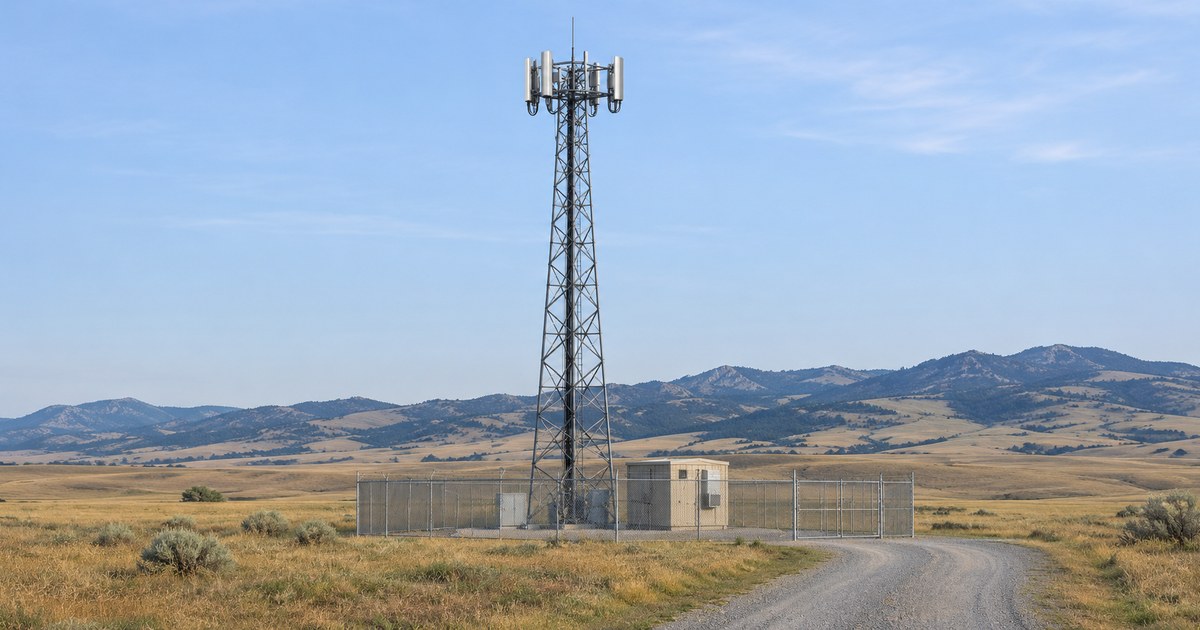
Which cell tower assets can qualify?
The federal regulations expressly list permanently affixed cell phone towers as inherently permanent structures. They also recognize land, leaseholds, and easements as real property. Qualification still depends on the property exchanged and its use. Section 1031 requires qualifying property held for business or investment and like-kind replacement property to be held for a qualifying use. See Treas. Reg. §1.1031(a)-3 and IRC §1031.
- Tower and foundation
- Identify the owner and how the structure is affixed. Review the documents for rights or duties to remove the tower when the ground lease ends.
- Land, ground leases and easements
- Read the deed, lease and access or utility instruments. Confirm which interests will transfer and whether consent is required.
- Shelters, power systems and other equipment
- Analyze distinct assets and structural components under the regulations. Portable equipment generally does not qualify. Fixtures and integrated components can require a closer review of permanence, function, and ownership.
- Tenant leases, licenses and contract rights
- Identify rights to use or occupy real property and distinguish them from receivables, service rights and other intangibles. Read the underlying agreements. Certain rights solely to use or occupy real property can qualify, while business-operation licenses and permits do not qualify under the federal rule.
Does a ground lease need 30 years remaining?
The regulations give a leasehold with at least 30 years to run as an example of property like kind to fee real estate. Measure the remaining term at the transfer. Read any automatic extensions, renewal options, termination rights, and consents to determine which periods can count. Revenue Ruling 78-72 counted renewal periods the exchanging tenant could exercise. A shorter ground lease calls for separate like-kind analysis, including the nature of the proposed replacement interest. The length of the lease does not by itself determine the classification of the permanently affixed tower. See Treas. Reg. §1.1031(a)-1 and the IRS discussion of Revenue Ruling 78-72.
How should you allocate the purchase price?
Build a schedule by site and by asset showing what transfers, the seller’s adjusted basis, prior depreciation, and supported fair market value. Reconcile it with the buyer’s allocation, any price adjustments, and the QI and closing instructions. If the deal is an applicable asset acquisition, Section 1060 and Form 8594 can affect the allocation and reporting. A transfer that includes both exchange assets and other business assets requires particular attention. See IRS Form 8594 instructions.
Fictional example. A seller transfers a communications site for $1 million. Supported values assign $500,000 to a permanently affixed tower and foundation, $400,000 to a ground lease with 35 years remaining, and $100,000 to portable equipment. Assume the tower and leasehold otherwise qualify for an exchange into fee real estate and the seller has no debt. The seller structures the $900,000 real-property portion through the QI and treats the $100,000 equipment transfer as a taxable sale. If the equipment’s adjusted basis is $20,000, that sale produces $80,000 of gain before costs. The equipment’s depreciation history determines how much of that gain is ordinary recapture. A separate recapture calculation may also apply to the qualifying real property.
Can depreciation recapture apply even if the tower qualifies?
Yes. Section 1031 real-property classification and Sections 1245 and 1250 depreciation treatment use different rules. If relinquished real property is Section 1245 property, receiving like-kind real property outside Section 1245 can trigger ordinary recapture even without cash boot. Ask the CPA to reconcile the original cost and cost-segregation schedules, prior depreciation, the sale allocation, and the replacement property’s asset classes before calculating deferral. See IRC §1245 and IRS Form 8824 instructions.
What to review before closing
- Deeds, surveys, ground leases and amendments, renewal notices, easements, and landlord consents.
- The asset purchase agreement, site inventory, tenant and license agreements, allocation schedules, and final closing statement.
- Fixed-asset and depreciation records for each site, including cost segregation and bonus depreciation where applicable.
- The QI agreement and assignments, wire instructions, and records for the proposed replacement assets.
For deadlines and the QI’s role, see 1031 exchange planning. If the tower owner is a partnership and one owner wants to exit, see how a partnership can coordinate an exchange and a cash redemption.
Review the tower sale before funds are wired
Schedule a $500 Tax Attorney Consultation with Philip Falco, Attorney & CPA. The fee covers up to one hour total for document review, analysis, preparation, and the call. Detailed asset classification, valuation analysis, written opinions, and implementation require a separate engagement.
Federal authorities checked November 12, 2026. The example is fictional. The tax result depends on the transaction documents and facts.